
Key Takeaways
- Share one or two key stats like the average sale price and days on market for their neighborhood, explain what it means, and end with a soft invite to learn more.
- Send just one listing per email, matched to what people care about (price, features, ZIP), with a punchy subject line, one great photo, the essentials in bullets, and two quick links.
- Mix in a simple seasonal tip or a quick client story, highlight local news (new café, school updates), and share a behind-the-scenes moment to show you’re part of the community.

If your real estate emails keep getting ignored, you’re doing it wrong.
Most updates are too long, too dull, and full of stats nobody cares about.
This guide shows you how to make every email short, personal, and worth opening.
You’ll learn exactly what to say, what to show, and how to stay top-of-mind without being annoying, so when people are ready to buy or sell, you’re the one they remember.
#1 Send local market updates they’ll actually read
Don’t send a stats dump.
Nobody wants a 1,000-word essay with pie charts and no real takeaways.
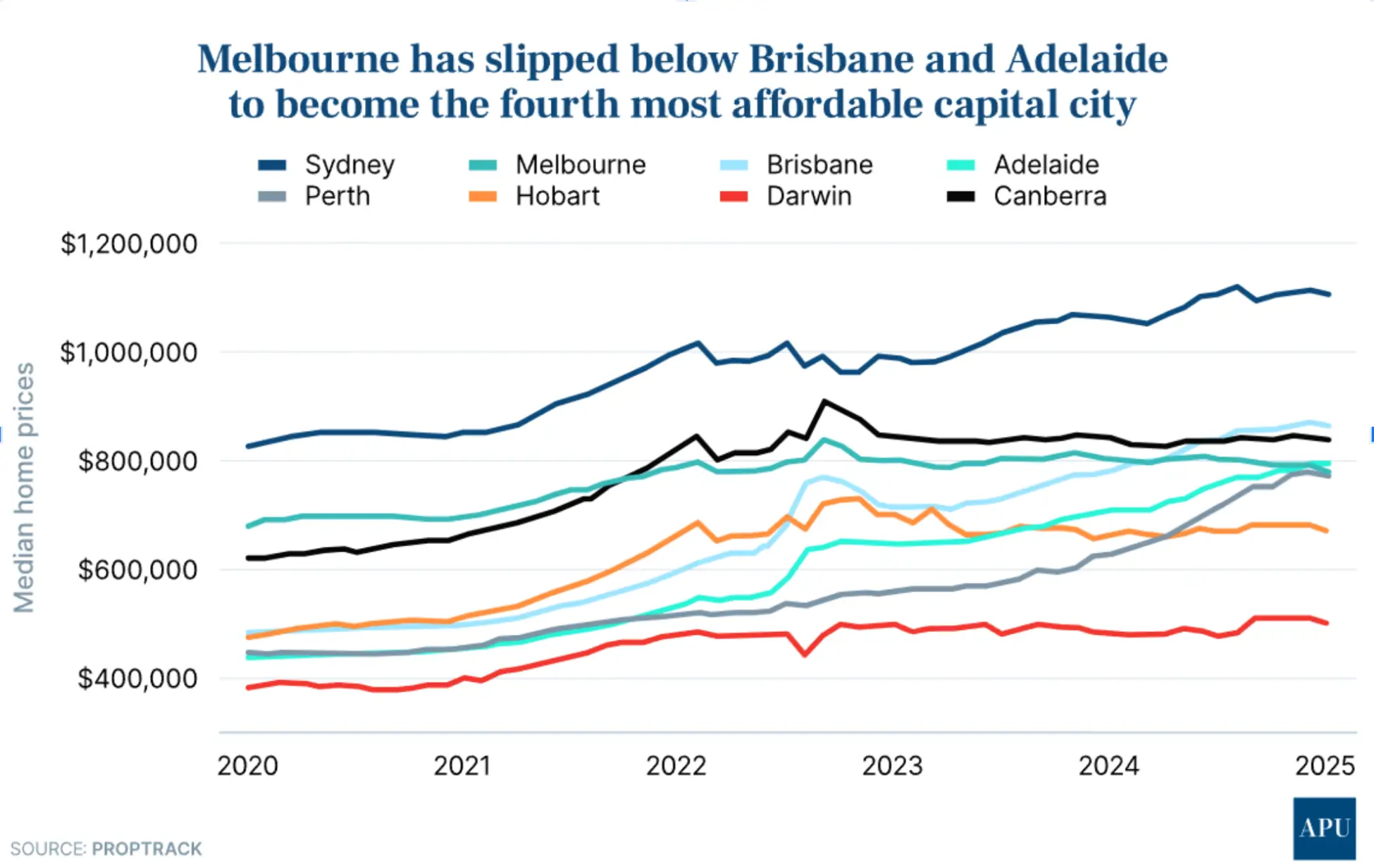
Keep it simple and useful by focusing on what’s happening nearby, like whether homes are selling fast, prices are rising or dropping, and if it’s a good time to sell.
Use plain English with quick stats and context, then add a clear call-to-action, such as getting a free price estimate.
Include a local sale photo to make it feel like news, not a newsletter, and send it once a month to stay top-of-mind without being annoying.
#2 Make just-listed property alerts feel personal
Mass emails don’t cut it anymore, especially if you blast every new listing to your entire list.
Make alerts feel hand-picked by using a platform that segments your contacts by details they’ve shared or clicked on, such as price range, ZIP code, or must-haves.
Match each listing to the right group, keep subject lines short and urgent, and only feature one standout property per email, because one perfect match beats a flood of random ones.
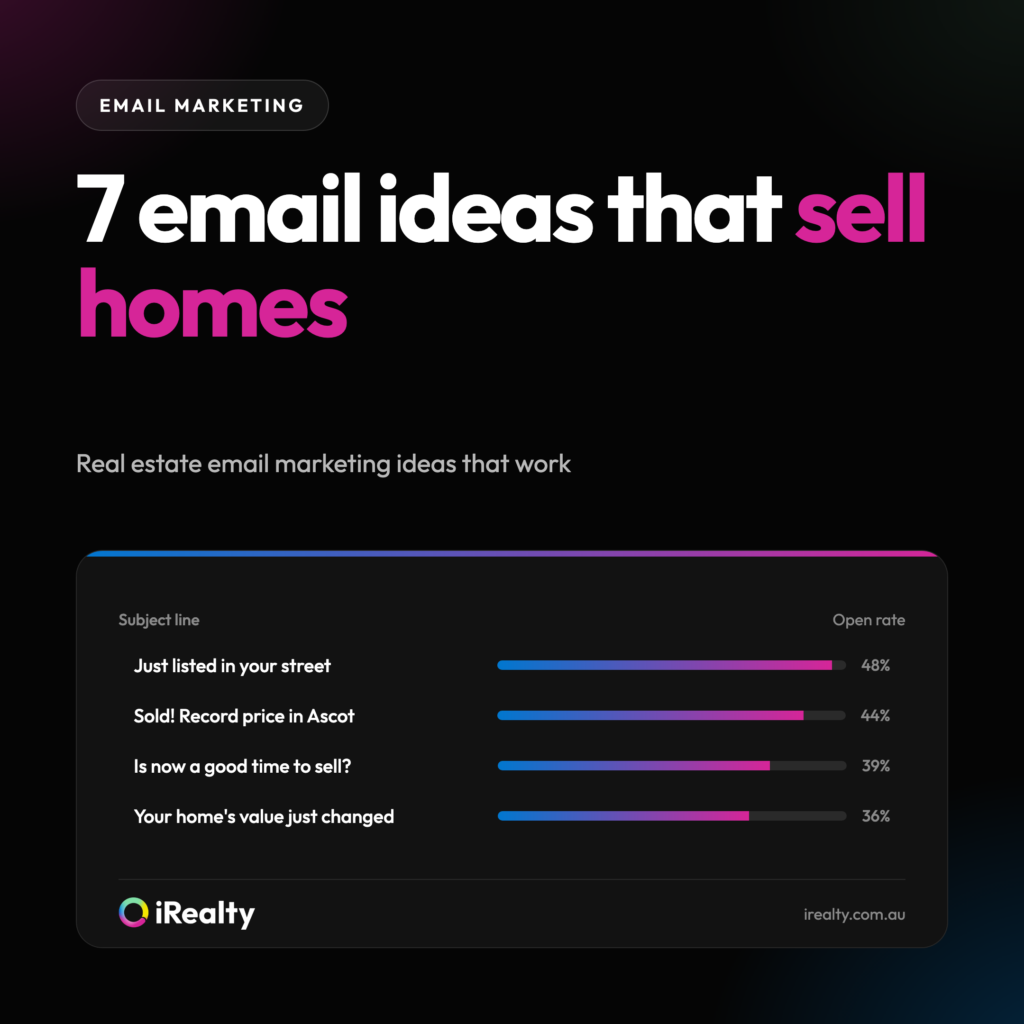
Subject lines should be short and urgent as they increase open rates to 22%. Only include one listing per email and don’t overwhelm people. One great match is better than five random ones.
Show one high-quality image like a snowy front view, which makes the home feel warm and inviting.
Include key details about the property, such as the price, number of rooms and square feet, and of the renovated kitchen and floors.
Keep these essentials in bullet points for quick reading, then add links so potential buyers can click to see the full photo gallery or schedule a private viewing right away.
#3 Create sneak peeks before listings go live
Want more attention? Offer access that others don’t get.
Email-only previews let subscribers see listings before they go public. That’s a powerful hook. It makes buyers feel special and gives them a head start.
Use hype-building subject lines to grab attention. Inside, keep it short with 2–3 teaser photos, a quick description, and the launch date.
Explain the benefit then add a clear call-to-action. If spots are limited, say so.
This strategy works exceptionally well in competitive markets where timing matters. But even in slower markets, it adds value, and it trains your audience to open your emails first.
#4 Promote open houses without sounding boring
Nobody wants another “Open House Sunday” email. Skip the beige language.
Make the event sound appealing by using stronger subject lines and test them in to see which gets more opens and clicks.
In the email, share the basics upfront… address, date, and time. . Homes with professional staging before an open house sell for 15% more than non-staged homes .
Then highlight one standout feature such as a renovated chef’s kitchen, a huge deck for summer BBQs, or walking distance to downtown.
Include just one strong photo to keep focus, and finish with a single call-to-action button. Listings that host open houses receive 30% more online views.
Short, sharp, helpful. Like a text from a friend, not a flyer taped to a lamppost.
If someone’s too busy to stop by, a quick walkthrough lets them explore every room as if they’d stepped inside
#5 Turn past client stories into trust boosters
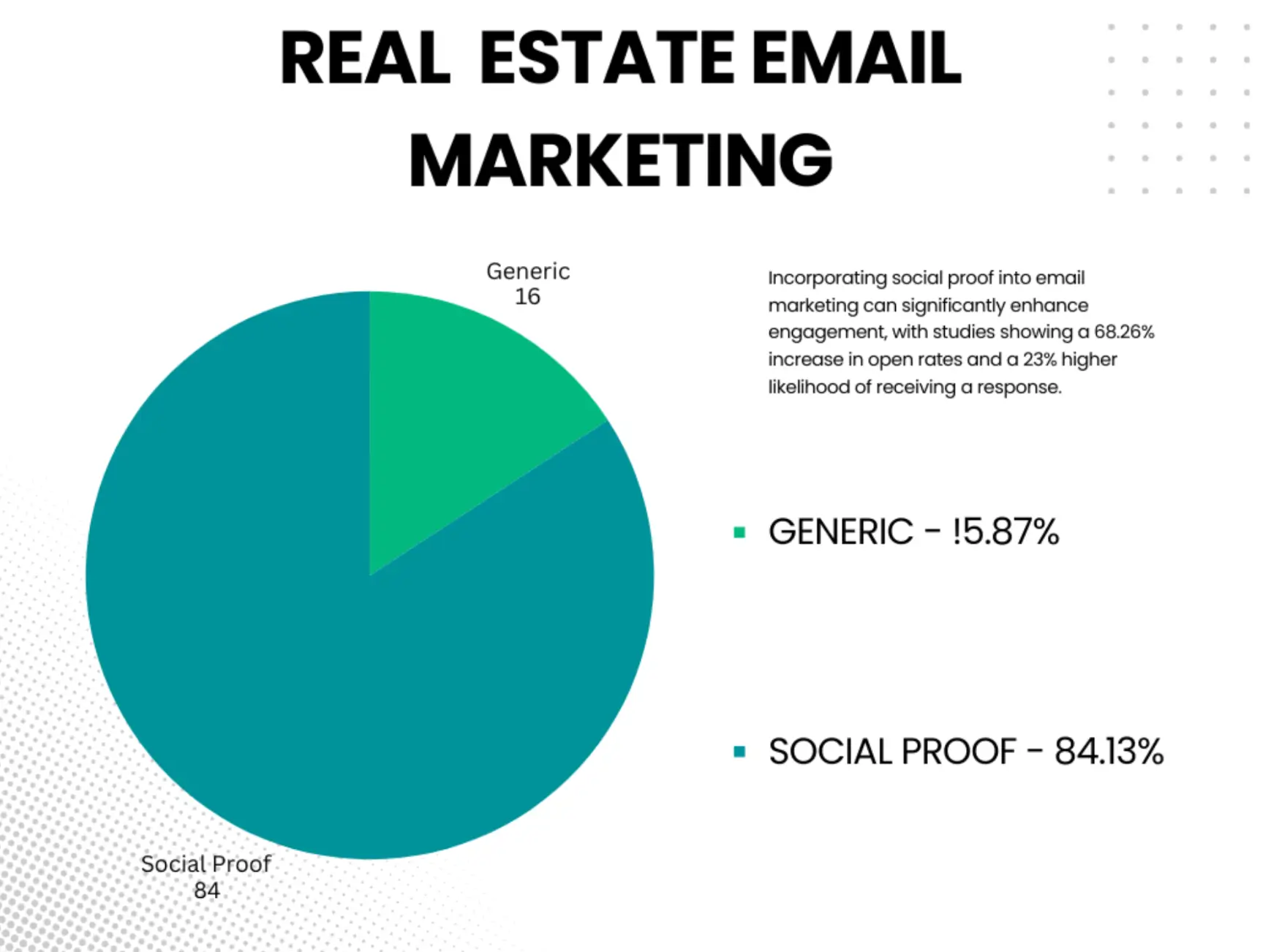
Bragging doesn’t work, but social proof does, so let your clients tell the story for you.
Share one natural, honest story per email, pair it with a smiling photo (with permission), and link to your testimonial page or Google reviews.
You’re not selling, you’re simply showing that real people had a great experience working with you.
Over time, these stories build trust, and when someone’s ready to move, they’ll picture themselves in one of your emails.
Simple. Honest. Relatable.
That’s the point.
#6 Offer seasonal homeowner tips that build goodwill
Not every email should push a sale. Sometimes, just be helpful.
Send seasonal tips throughout the year to help your clients maintain their homes.
During winter, share advice on how to prevent pipes from freezing, as well as tips on using smart thermostat settings to save money.
In spring, send a lawn prep checklist and helpful gutter cleaning tips.
For summer, provide energy-saving ideas and simple ways to cool a room quickly.
In the fall, remind them to check their furnace filters and offer fire safety advice.
Additionally, include timely extras like homestead exemption deadlines in January and property tax write-off tips in April.
Each tip should be dead simple. One or two sentences max.
Easy wins like this keep you top of mind year-round. Even when nobody’s moving.
#7 Share behind-the-scenes of being an agent that they can relate to
Let them see the everyday moments that don’t make it into glossy brochures.
Show the effort, problem-solving, and little wins that happen between big milestones.
Talk about the pace, the unexpected turns, and the small details that matter in real life.
Keep it honest and approachable so people see you as more than just a professional.
Remind people there’s a human behind the email, they’ll see you as someone living your job, not just doing it.
Every week isn’t closings and contracts. Share the real stuff. Nothing polished, only honest moments from your day.
This builds connection. People like working with pros who act like people, not robots in blazers.
Once in a while, throw in a funny fail. It makes everything else feel more real.
Make every email count
The best real estate emails don’t overwhelm your audience with stats or bombarding them with endless listings. Instead, they focus on building a connection.
Whether you’re sharing market updates, offering exclusive previews, providing helpful tips, or giving a glimpse of your real life as an agent, your emails should always give people something worth opening.
Keep it short, personal, and relevant.
The key to turning casual readers into loyal clients is consistency and relevance. Over time, this builds trust, so when people are ready to buy or sell, they’ll already think of you.
Now, when it comes to making it happen, you have two choices: You can manually create and send each email yourself, which can be time-consuming and require a lot of effort to stay consistent, or you can consider an email marketing platform designed to streamline the process.
With the right tools, you can automate campaigns, target the right audience, and save yourself a lot of time while still providing value.
Whichever path you choose, putting in the effort to connect with your audience will pay off. So why not make it easier on yourself? Start today and see the difference it makes!